When it comes to safeguarding your home, especially your basement, one crucial device stands out: the sump pump. This article delves into the reasons why every basement needs a sump pump, exploring its benefits, types, installation processes, and maintenance tips. After all, your home deserves the best protection against water damage.
Understanding the Importance of a Sump Pump in Your Basement
The basement is often the most vulnerable part of a home when it comes to water intrusion. Heavy rainfall, melting snow, or even plumbing mishaps can lead to flooding that causes significant damage. This is where a sump pump becomes an essential investment for homeowners.

What is a Sump Pump?
A sump pump is a device installed in the lowest part of your basement or crawl space. Its primary function is to remove accumulated water and prevent flooding. When water levels rise beyond a certain point, the sump pump activates and pumps excess water out of the basin and away from your home's foundation.
The Risks of Not Having a Sump Pump
Without a sump pump, homeowners face several risks:
Water Damage: Flooding can lead to severe structural damage over time. Walls may become weakened, and mold can grow in damp conditions. Health Hazards: Stagnant water creates an ideal environment for mold and mildew growth—both of which pose health risks for occupants. Decreased Property Value: A history of water damage can significantly diminish your home's market value.Given these potential dangers, investing in a sump pump isn't just advisable; it's essential for protecting both your property and health.
Types of Sump Pumps: Choosing What's Best for You
Understanding the various types of sump pumps available will help you make an informed choice tailored to your specific needs.
Submersible vs. Pedestal Sump Pumps
When it comes to choosing between submersible and pedestal sump pumps, it’s essential to consider the unique characteristics each type offers:
- Submersible Pumps: These pumps are designed to be placed directly into the sump pit and are typically more powerful than pedestal pumps. They operate quietly and are less prone to clogging due to their submerged design. Pedestal Pumps: Positioned above the sump pit, pedestal pumps have a motor that sits on top of a stand. They’re easier to service but tend not to handle larger volumes of water as efficiently as submersible models.
For those who prioritize noise reduction and efficiency during heavy rainfall periods, investing in an advanced submersible sump pump like those offered by Plumbing Supply And More could be beneficial.
Battery Backup Sump Pumps
What happens during power outages? This is where battery backup sump pumps come into play. These systems ensure that even if you lose electricity—perhaps during severe storms—you won’t have to worry about floodwaters rising unchecked in your basement.
The battery backup system involves an auxiliary battery that kicks in when your main power supply fails. Some models also come with alarms that alert you when they’re activated.
Installation Process for Your Sump Pump
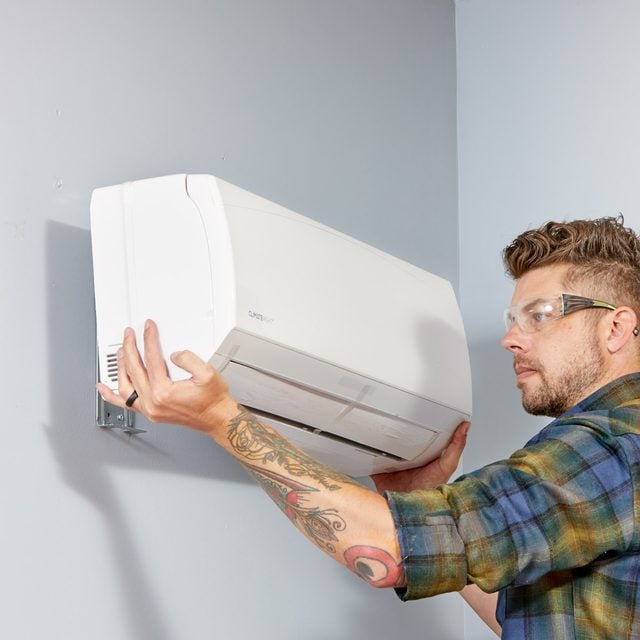
Installing a sump pump might sound daunting at first; however, with some guidance and proper tools, it can be done efficiently.
Step-by-Step Installation Guide
Select Location: Ideally, locate your sump pit near existing drainage systems. Digging the Pit: Using tools like shovels or augers, dig an adequately sized pit where the sump pump will sit. Install Basin: Place a sturdy basin inside the pit; this will house your sump pump. Placing Your Pump: Set up your chosen model (submersible or pedestal) according to manufacturer instructions. Discharge Pipe Installation: Connect discharge pipes that will route excess water away from your foundation. Test Functionality: Before closing everything up, conduct tests by adding water into the basin until it triggers the pump.While many homeowners opt for DIY installations, consulting professionals can ensure optimal setup and configuration tailored specifically for your home’s needs—after all, no one wants complications down the line!
Maintenance Tips for Longevity
Just like any other mechanical system in your home, regular maintenance is vital for ensuring longevity and performance efficiency from your sump pump system.
Regular Check-Ups
Homeowners should regularly check their devices:
- Inspect cords, Clean out debris, Ensure float switches operate correctly, And test alarm features periodically.
It’s also wise to consult local plumbing companies like Plumbing Supply And More, who offer extensive services including routine maintenance checks on various models such as Zoeller M53 or Wayne CDU790 among others.
Troubleshooting Common Issues
Should problems arise with pumping efficiency:
- Check if there’s any blockage in discharge pipes, Ensure check valves are functioning, Assess whether there's consistent power supply reaching units, Or simply consider replacing older models after 7–10 years depending on usage frequency.
Keeping these insights in mind ensures that you’ll quickly troubleshoot issues before they escalate into costly repairs!
FAQ Section on Sump Pumps
1. How long do sump pumps last?
Generally speaking, well-maintained sump pumps last between 5 to 10 years; however, submersible models often have longer lifespans due to their enclosed designs preventing dust buildup compared with pedestal options.
2. Do I need a check valve on my sump pump?
Absolutely! A check valve prevents backflow which could occur if pressure varies within discharge pipes leading back towards basins—this simple addition offers peace-of-mind alongside regular operational efficiency!
3. What size sump pump do I need?
Choosing size depends primarily upon two factors:
- The volume (gallons per hour) needed based on average rainfall patterns experienced locally The height (head height) required from bottom-most point up through discharge pipe(s)
Consulting professional installers will help determine precise specifications ideal suited specifically toward unique household requirements!
Conclusion
In summary, having a properly functioning sump pump system installed is paramount not just for avoiding floods but also maintaining overall indoor air quality while rentry.co protecting structures from inevitable moisture-related hazards! With numerous options available—from basic setups featuring only essential components all way up complex arrangements including advanced backups—it’s essential homeowners stay informed about their choices before proceeding with installations or upgrades further down road!
Remember always seek assistance from reputable suppliers such as Plumbing Supply And More, who prioritize customer satisfaction above all else while ensuring premium product offerings at competitive prices! Don’t wait until disaster strikes; take proactive steps now so you can enjoy peace-of-mind regarding future weather fluctuations!